
The Ken Burns effect is a timeless storytelling technique that brings still photos and static shots to life by slowly panning and zooming. While it’s commonly used in documentaries, it can be taken to a more cinematic level with the right techniques. Here are the best ways to use the Ken Burns effect for maximum visual impact:
1. Use 4K Footage for Flexibility
Start with high-resolution images or 4K video. This gives you room to crop, zoom, and pan without sacrificing quality, ensuring your effect looks clean and cinematic even on larger screens.
2. Slow and Natural Motion
Avoid fast zooms or pans unless stylistically necessary. A slow, almost imperceptible motion keeps the effect immersive and emotionally resonant. Stick to movements that mimic how the human eye would naturally scan a scene.
3. Add Depth with Parallax Layers
For advanced cinematic flair, separate your photo into foreground, middle ground, and background layers in Photoshop or After Effects. Add slight motion to each layer at different speeds for a subtle parallax effect that adds depth.
4. Follow the Rule of Thirds
Zoom in or out from key focal points that align with the rule of thirds. This guides the viewer’s eye and creates balance, making your motion feel more intentional and film-like.
5. Match Movement to Music or Voiceover
Syncing the speed of the Ken Burns effect to your soundtrack or narration can enhance the emotional connection. A slow zoom during a somber part of the voiceover, for example, can heighten the mood.
6. Use Cinematic Color Grading
Apply a filmic LUT or color grade to the photo or video segment before animating the Ken Burns effect. Warmer tones, soft highlights, and contrast control add a more cinematic visual tone.
7. Add Subtle Film Effects
Introduce a touch of film grain, vignetting, or motion blur during the movement. These elements mimic real camera motion and give the effect a more organic, cinematic vibe.
8. Start and End on Strong Frames
Set your start and end keyframes with intention. If you’re telling a story, the zoom might begin on a wide shot and slowly move in to reveal a face or important object—this creates emotional buildup.
9. Combine with Light Leaks or Flares
Using light overlays (like subtle lens flares or leaks) in your video editor can simulate natural light changes during camera movement, further enhancing realism.
10. Use Sound Design for Movement
Even subtle swooshes or ambient sounds layered with the pan/zoom can psychologically trick the viewer into perceiving real camera motion, increasing cinematic quality.
By applying these techniques, you can transform the traditional Ken Burns effect into something far more dynamic and cinematic. Whether you’re editing a documentary, travel vlog, or photo montage, these enhancements will elevate your storytelling and viewer engagement.
Thank you for reading! Please stay connected with me on all my social media platforms. @djmakeart
For more updates, tips, and inspiration. Don’t forget to explore my website djmakeart.com for exclusive content and projects. Let’s create and grow together—see you there!
Contact us through www.djmakeart.com/contact-us/

🛠 Step-by-Step: How to Create a Vertical Video Template

Why Yoast seo setting doesnt appear

Why Yoast SEO may be malfunctioning on your website

Why the “Add Post to Story Every Time” Option Doesn’t Appear on My Account

Why is SEO Yoast option is not working ?
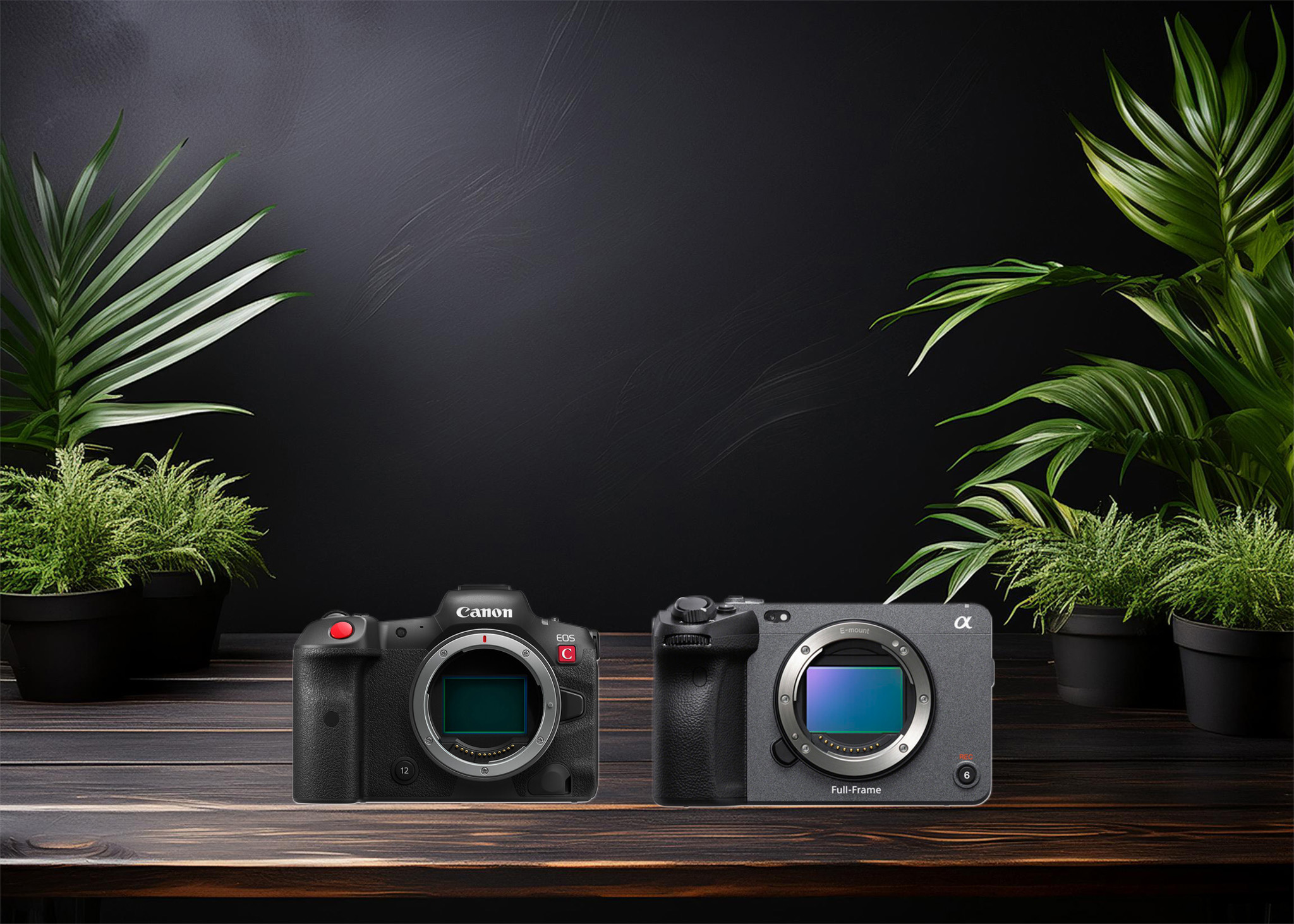
Which camera is better, Canon or Sony?
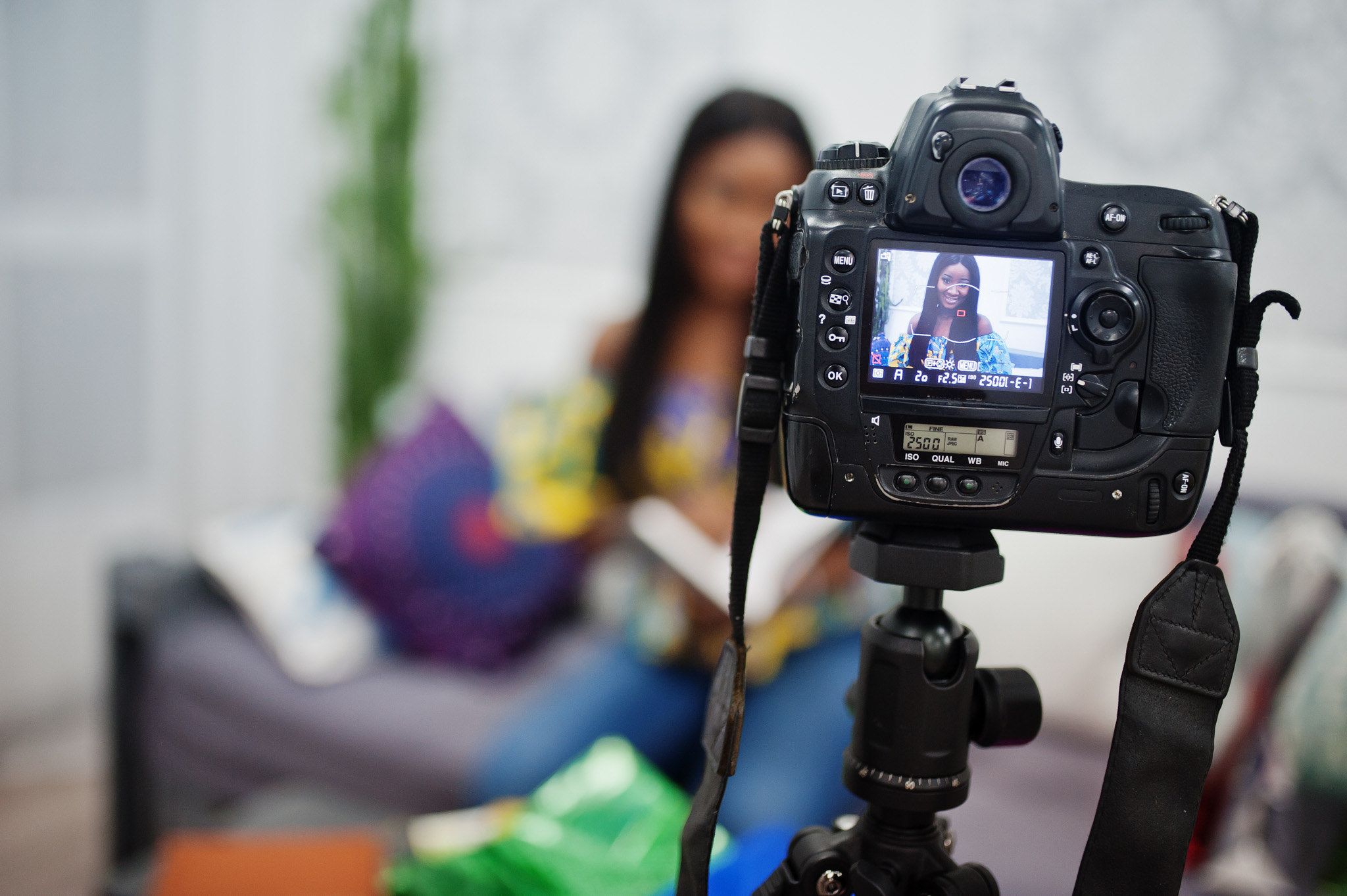
Where to Buy the Best Used Camera Gear in 2025: Trusted Sites & Smart Tips

Where can I find free VFX content for editing?

Where can I find free VFX content for editing?
Welcome to the DJMakeArt website
