

Running out of space on your 250GB MacBook? Moving apps to an external drive can help you clear up room for essential files and system functions. Here’s a step-by-step guide to safely relocate applications and keep them accessible.
⚠️ Important Notes Before You Begin:
- Not all apps can be moved — some require being on the internal drive.
- Performance may suffer — apps may load more slowly depending on the external drive’s speed.
- Use a fast external SSD (USB 3.0 or Thunderbolt recommended).
- Always back up your Mac before making major changes.
✅ Steps to Move Apps to an External Drive
1. Format the External Drive Properly
- Open Disk Utility.
- Select the drive, click Erase.
- Format as Mac OS Extended (Journaled) or APFS.
- Name it something recognizable like ExternalApps.
2. Create a Dedicated Applications Folder
- On the external drive, create a folder named Applications.
3. Move the App
- Go to your internal Applications folder.
- Drag and drop the app you want to move to the Applications folder on the external drive.
- Enter your admin password when prompted.
4. Create a Symbolic Link (Symlink)
This allows macOS to think the app is still on the internal drive.
- Open Terminal and type:
bash
CopyEdit
sudo ln -s /Volumes/ExternalApps/YourAppName.app /Applications/YourAppName.app
Replace YourAppName and ExternalApps with your actual app name and drive name.
5. Test the App
- Launch the app from the Launchpad or Spotlight.
- If it works, you’re good.
- If not, try reinstalling it directly to the external drive.
❌ Apps That Should Not Be Moved
- System apps (Safari, Mail, etc.)
- App Store apps (some may break or auto-reinstall internally)
- Adobe Creative Cloud or similar apps with deep system dependencies
🧼 Tips to Save More Space
- Move Photos and Videos to the external drive.
- Delete GarageBand loops, iMovie libraries, and Xcode simulators.
- Use apps like CleanMyMac X (or free alternatives like DaisyDisk or OmniDiskSweeper) to find large unused files.
Final Thoughts
While moving apps to an external drive can help free up space, consider upgrading your storage or using cloud storage for large files if this becomes a regular issue.
Thank you for reading! Please stay connected with me on all my social media platforms. @djmakeart
For more updates, tips, and inspiration. Don’t forget to explore my website djmakeart.com for exclusive content and projects. Let’s create and grow together—see you there!
Contact us through www.djmakeart.com/contact-us/

🛠 Step-by-Step: How to Create a Vertical Video Template

Why Yoast seo setting doesnt appear

Why Yoast SEO may be malfunctioning on your website

Why the “Add Post to Story Every Time” Option Doesn’t Appear on My Account

Why is SEO Yoast option is not working ?
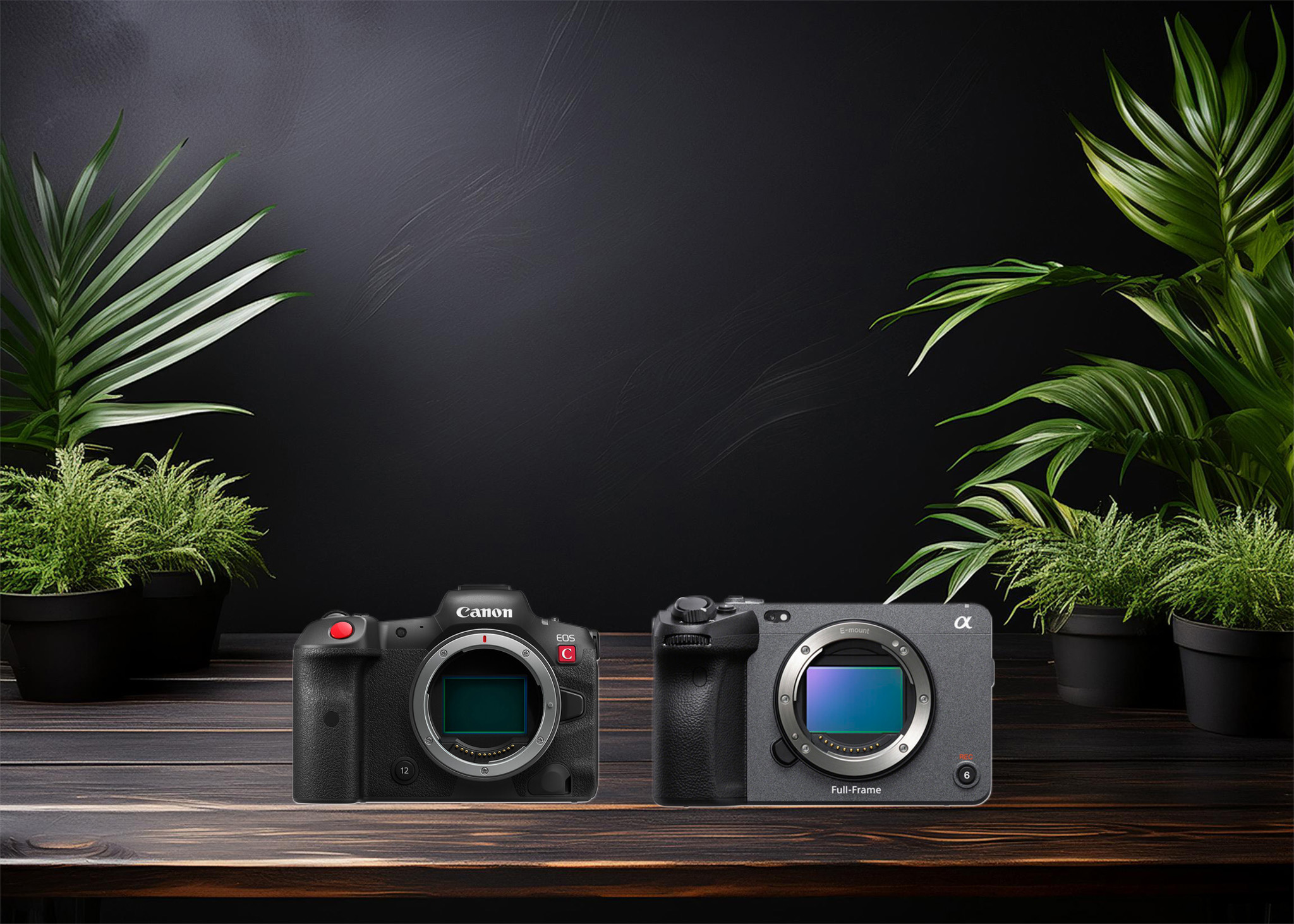
Which camera is better, Canon or Sony?

Where to Buy the Best Used Camera Gear in 2025: Trusted Sites & Smart Tips

Where can I find free VFX content for editing?

Where can I find free VFX content for editing?
Welcome to the DJMakeArt website
