Understanding the Timeline on CapCut
Video editing can feel overwhelming at first, especially when you open a tool like CapCut and see a long horizontal workspace filled with tracks, clips, and controls. That workspace is called the timeline, and it’s the heart of every edit you make.
If you understand how the timeline works, you can cut faster, sync audio more precisely, and build professional-level videos for YouTube, TikTok, or Shorts without confusion. This guide breaks everything down in a clear, practical way so you can actually use it in real edits.
What the Timeline Actually Is
The timeline is the visual editing area where your video comes together.
Think of it like this:
- Your media library = raw ingredients
- Your timeline = cooking station
- Your final video = finished dish
Every clip you use—video, audio, text, effects—gets placed on the timeline in a specific order. CapCut then reads it from left to right (time-based) to build your final video.
Timeline Structure: Tracks Explained
In CapCut, the timeline is divided into tracks (layers). Each track serves a different purpose:
1. Main Video Track
This is your base layer.
- Holds your primary footage
- Everything else builds on top of it.
- Cutting here defines your story flow.
If you delete this layer, your entire video structure breaks down.
2. Overlay Tracks
Overlay tracks sit above your main video.
You use them for:
- B-roll footage
- Reaction clips
- Images or cutaways
- Zoom-ins or alternate angles
This is where most “creative editing” happens.
3. Text Layer
Text appears above video layers.
Used for:
- Titles
- Captions
- Subtitles
- Hook text for short-form content
Good timeline organization keeps text aligned with speech or action.
4. Audio Tracks
Audio is usually separated into its own layer.
This includes:
- Voiceovers
- Background music
- Sound effects
You can stack multiple audio tracks and control volume individually.
5. Effects & Adjustment Layers
These sit on top or attach to clips.
They control:
- Color grading
- Transitions
- Filters
- Motion effects
Instead of changing each clip manually, effects apply changes across sections of the timeline.
How the Timeline Works Step-by-Step
Step 1: Import Your Clips
You start by bringing footage into CapCut. Once imported, you drag clips onto the timeline.
Step 2: Arrange the Story
Drag clips left or right to change order. The timeline always flows from left (start) to right (end).
This is where storytelling begins:
- Hook first
- Content in the middle
- Call-to-action last
Step 3: Trim and Cut Clips
Trimming is one of the most important timeline skills.
You can:
- Shorten clips by dragging edges.
- Split clips using the cut tool
- Remove unwanted sections instantly.
This is how creators build fast-paced edits for TikTok and Shorts.
Step 4: Sync Audio to Video
One of the most powerful uses of the timeline is syncing.
You align:
- Speech → subtitles
- Beats → cuts
- Sound effects → actions
Good sync makes your video feel professional instantly.
Step 5: Add Layers (Overlay Editing)
Once your base is ready, you stack layers:
- Add B-roll above talking footage.
- Insert zoom-ins for emphasis.
- Place text for storytelling
This is what separates basic edits from engaging content.
Timeline Tools You Should Know
1. Split Tool
Cuts clips into pieces instantly.
Perfect for removing pauses or mistakes.
2. Speed Controls
Adjust playback speed directly on the timeline:
- Slow motion for dramatic effects
- Fast motion for transitions or time skips
3. Keyframes
Keyframes allow animation over time.
You can animate:
- Position
- Scale
- Rotation
- Opacity
This creates smooth movement inside the timeline.
4. Magnetic Timeline Behavior
CapCut automatically snaps clips together.
This helps:
- Avoid gaps
- Keep the flow clean
- Speed up editing
5. Zoom Timeline View
Zooming in gives precision editing.
Use it when:
- Cutting frame-by-frame
- Syncing audio
- Fixing small mistakes
Zooming out helps you see the full structure of your video.
Common Timeline Mistakes Beginners Make
1. Overcrowding Tracks
Too many layers make your edit confusing. Keep the structure clean.
2. Ignoring Audio Sync
Bad audio timing ruins even good visuals.
3. Random Clip Placement
Without a story flow, the timeline becomes chaotic.
4. Not Using Splits
Long uncut clips reduce viewer retention.
Pro Editing Tips for Faster Workflow
- Use keyboard shortcuts for cutting and splitting.
- Build a rough timeline first, then refine.
- Group similar clips together
- Keep audio and video aligned early.
- Reuse templates for a consistent editing style
The faster you understand the timeline, the faster you can produce content.
Final Thoughts
The timeline in CapCut is more than just a workspace—it’s where storytelling happens. Once you understand how layers, cuts, and timing interact, editing becomes much less about guessing and much more about control.
Whether you’re making YouTube videos, TikToks, or Shorts, mastering the timeline is the skill that separates casual editors from consistent content creators.
Thank you for reading! Please stay connected with me on all my social media platforms. @djmakeart
For more updates, tips, and inspiration. Don’t forget to explore my website, djmakeart.com, for exclusive content and projects. Let’s create and grow together—see you there!
Contact us through www.djmakeart.com/contact-us/

🛠 Step-by-Step: How to Create a Vertical Video Template

Why Yoast seo setting doesnt appear

Why Yoast SEO may be malfunctioning on your website

Why the “Add Post to Story Every Time” Option Doesn’t Appear on My Account

Why is SEO Yoast option is not working ?
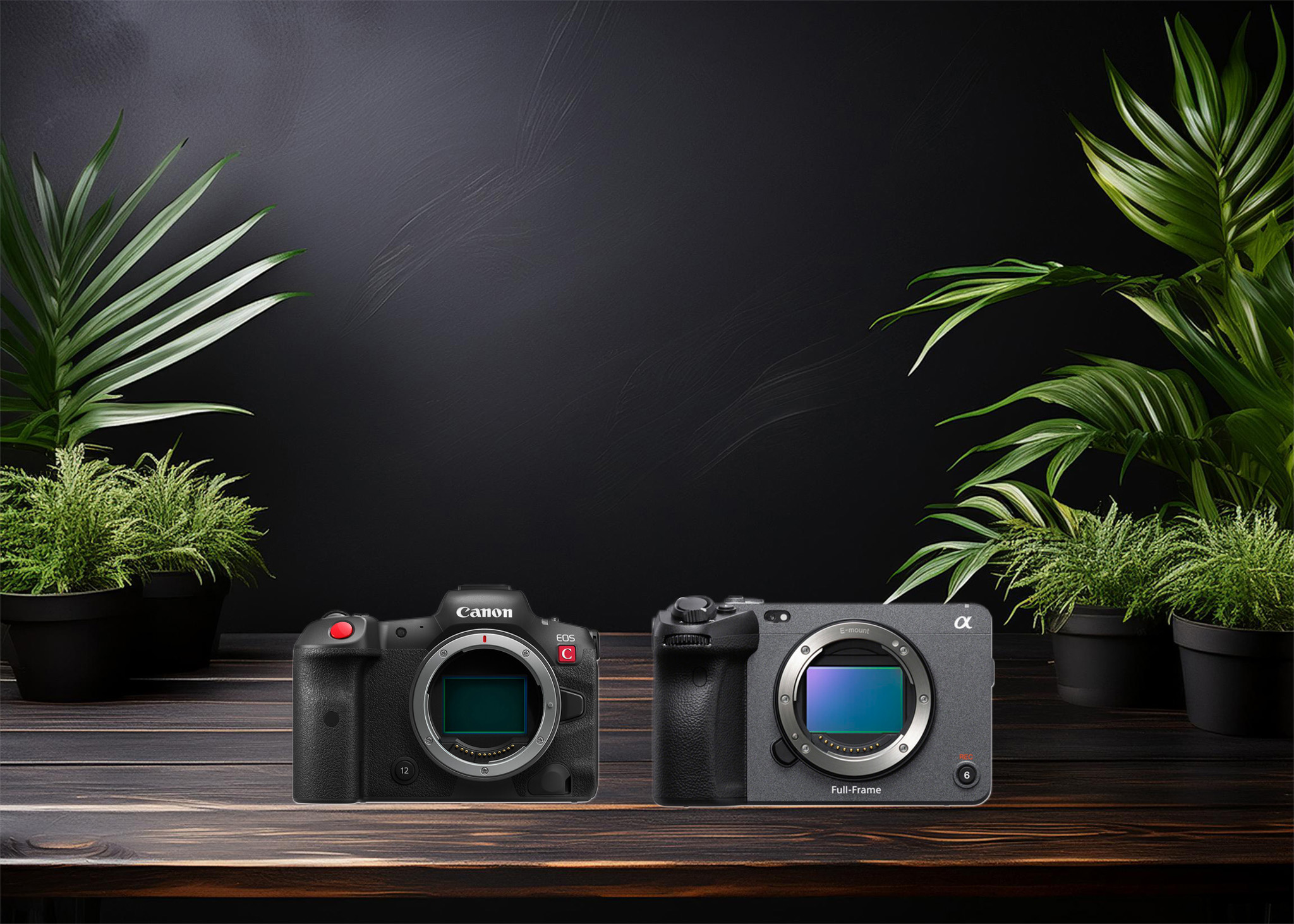
Which camera is better, Canon or Sony?

Where to Buy the Best Used Camera Gear in 2025: Trusted Sites & Smart Tips

Where can I find free VFX content for editing?

Where can I find free VFX content for editing?
Welcome to the DJMakeArt website