Organizing Media Files in CapCut: A Complete Guide for Faster Editing
If you’ve ever opened a CapCut project and felt overwhelmed by scattered clips, random audio files, and missing assets, you’re not alone. As video content becomes more frequent—especially for YouTube Shorts, TikTok, and Reels—keeping your media organized inside CapCut is essential for speed, clarity, and professional results.
This guide breaks down practical ways to organize your media files in CapCut so you can edit faster, reduce mistakes, and maintain a clean workflow across all your projects.
Why Organizing Media in CapCut Matters
Before jumping into techniques, it’s important to understand why organization is so important in CapCut editing.
When your files are disorganized, you risk:
- Losing track of clips
- Using the wrong footage in edits
- Wasting time searching for assets
- Slowing down your overall workflow
- Making inconsistent edits across projects
On the other hand, a clean structure helps you:
- Edit faster
- Stay consistent across videos.
- Reuse assets efficiently
- Improve creative focus
- Handle multiple projects at once
Whether you’re creating tutorials, gaming clips, or short-form content, organization is what separates beginners from efficient creators.
Step 1: Plan Your Project Before Importing Files
One of the most overlooked steps in CapCut is pre-planning. Before importing anything, define your project structure.
Ask yourself:
- What type of video am I creating?
- What clips are essential?
- Do I need music, voiceovers, or sound effects?
- Will I reuse assets in future videos?
Once you know your structure, create a simple mental or written outline:
- Intro clips
- Main footage
- B-roll
- Audio
- Effects
- Outro
This prevents random importing and keeps your CapCut workspace clean from the start.
Step 2: Rename Your Media Files Before Importing
CapCut does not always automatically organize files the way professionals need. That’s why renaming your media before importing is critical.
Instead of:
- “VID_001.mp4”
- “IMG_3829.mov”
Use clear names like:
- “Intro_Hook_Clip.mp4”
- “Talking_Camera_Take1.mp4”
- “Broll_City_Shot_01.mp4”
- “Background_Music_LowBeat.mp3”
This small habit drastically improves your editing speed because you instantly know what each file is.
Step 3: Use CapCut Folders and Albums Properly
CapCut allows you to group media inside folders or albums, depending on your platform version. This is your first layer of organization inside the app.
Create folders like:
- RAW Footage
- Edited Clips
- Audio
- Music
- Effects
- Exported Versions
For content creators managing multiple platforms, you can also separate by:
- YouTube Videos
- TikTok Shorts
- Instagram Reels
- Client Work
This prevents mixing assets from different projects and keeps everything scalable.
Step 4: Import Media in Structured Batches
Avoid dumping all your files into CapCut at once. Instead, import in layers.
A good workflow looks like:
- Import the main footage first
- Add B-roll clips next
- Add audio and voiceovers.
- Then add effects and overlays.
This approach helps you visually build your timeline in a controlled way, rather than dealing with cluttered tracks.
Step 5: Organize Your Timeline Like a Pro Editor
Inside CapCut, your timeline is where organization really matters.
Use a structured layout:
- Top track: Text and titles
- Middle track: Main video footage
- Lower tracks: B-roll and overlays
- Bottom tracks: Audio and sound effects
You should also:
- Color-code clips if available
- Split sections clearly (Intro, Body, Outro)
- Use markers for important points.
This makes editing large videos much easier, especially for YouTube content.
Step 6: Group and Nest Similar Clips
If you’re working on complex edits, grouping clips is a powerful technique.
For example:
- Group all intro clips together
- Group all transitions together.
- Group all music layers together
This reduces clutter and lets you move entire sections without breaking your timeline.
In CapCut, this is especially helpful for:
- Short-form storytelling
- Reaction videos
- Tutorial breakdowns
- Gaming edits
Step 7: Use Consistent Naming for Export Versions
One major mistake creators make is exporting multiple versions without naming them properly.
Instead of:
- “final.mp4”
- “finalfinal.mp4”
- “newfinal.mp4”
Use a structured format like:
- “Video_Title_V1”
- “Video_Title_V2_Fix”
- “Video_Title_Final”
This helps you track changes and avoid confusion when uploading to different platforms.
Step 8: Create a Reusable CapCut Template System
Once you develop a clean structure, turn it into a reusable template.
Your CapCut template can include:
- Pre-labeled tracks
- Default audio layout
- Standard intro/outro placement
- Text styles
- Transition presets
This is especially powerful if you post daily content across multiple channels. Instead of rebuilding every project, you simply plug in new media.
Step 9: Back Up Your Organized Projects
Even with perfect organization, things can go wrong—files can be lost or corrupted.
Always back up:
- Original footage
- Project files
- Exported videos
- Audio assets
Use cloud storage like Google Drive or external SSDs for safety. This ensures your workflow is protected long-term.
Final Thoughts
Organizing media files in CapCut is not just about cleanliness—it’s about speed, efficiency, and creative control. When your system is structured, you spend less time searching and more time actually creating.
Whether you’re editing short-form content or full YouTube videos, a strong organizational system will always give you an edge.
Thank you for reading! Please stay connected with me on all my social media platforms. @djmakeart
www.instagram.com/djmakeart
www.youtube.com/djmakeart
www.tiktok.com/djmakeart
www.facebook.com/djmakeart
www.x.com/djmakeart
For more updates, tips, and inspiration. Don’t forget to explore my website, djmakeart.com, for exclusive content and projects. Let’s create and grow together—see you there!
Contact us through www.djmakeart.com/contact-us/

🛠 Step-by-Step: How to Create a Vertical Video Template

Why Yoast seo setting doesnt appear

Why Yoast SEO may be malfunctioning on your website

Why the “Add Post to Story Every Time” Option Doesn’t Appear on My Account

Why is SEO Yoast option is not working ?
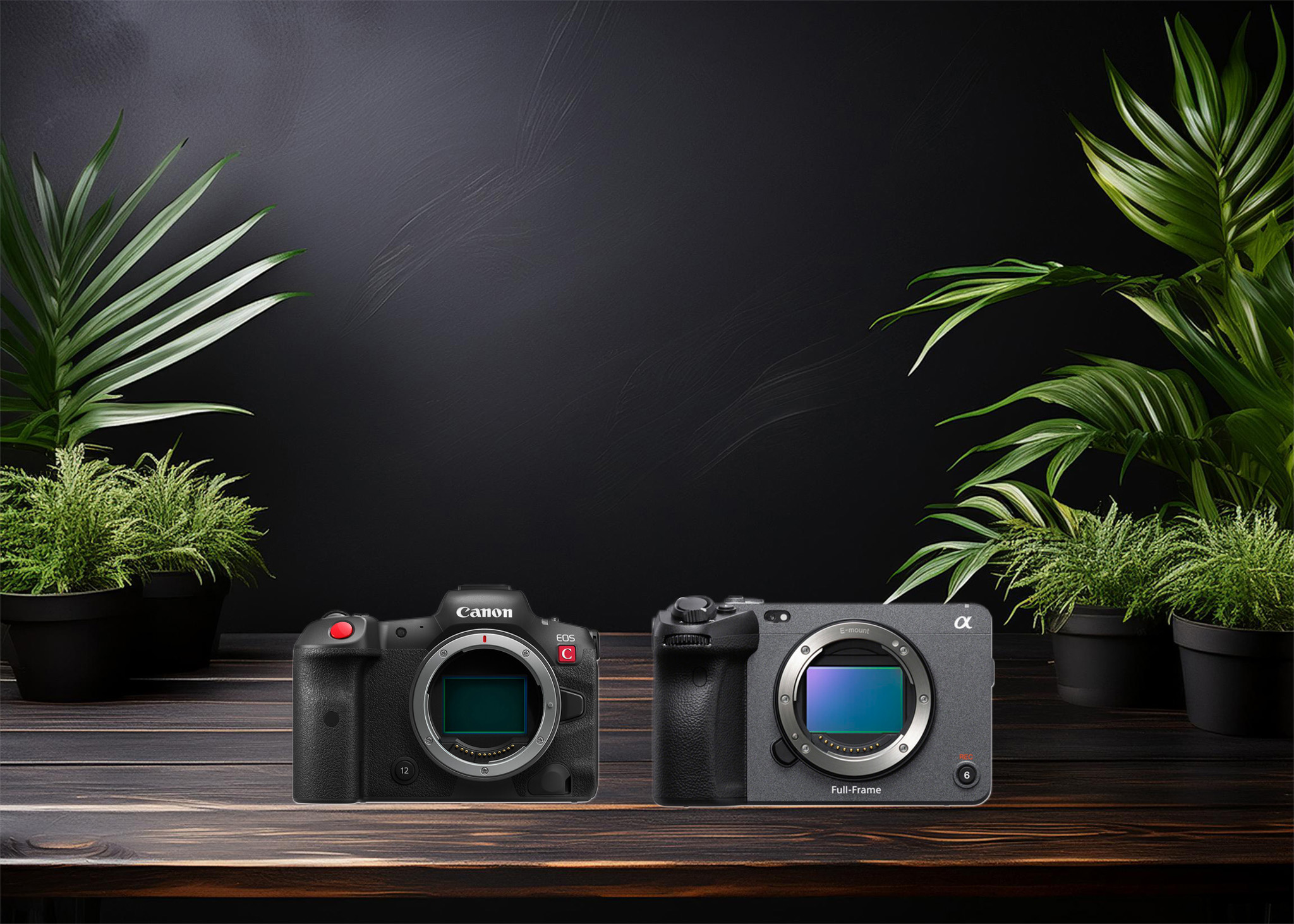
Which camera is better, Canon or Sony?

Where to Buy the Best Used Camera Gear in 2025: Trusted Sites & Smart Tips

Where can I find free VFX content for editing?

Where can I find free VFX content for editing?
Welcome to the DJMakeArt website