Understanding Frame Rates in CapCut
Video editing is more than just cutting clips together and adding effects. One of the most important technical aspects of creating professional-looking videos is understanding frame rates. Whether you’re making YouTube videos, TikToks, Instagram Reels, gaming content, or cinematic projects, choosing the correct frame rate in CapCut can dramatically impact the final look and feel of your video.
In this guide, we’ll break down what frame rates are, why they matter, and how to use them effectively in CapCut.
What Is Frame Rate?
Frame rate refers to the number of individual images, or frames, displayed every second in a video. It is measured in frames per second (FPS).
For example:
- 24 FPS = 24 images displayed per second
- 30 FPS = 30 images displayed per second
- 60 FPS = 60 images displayed per second
The higher the frame rate, the smoother the motion appears on screen.
When you watch a video, your brain blends these individual frames together to create the illusion of continuous movement.
Why Frame Rate Matters
Frame rate affects several aspects of your video:
Motion Smoothness
Higher frame rates create smoother motion. This is especially important for:
- Sports videos
- Gaming content
- Action sequences
- Fast-moving subjects
Lower frame rates can create a more cinematic look but may appear less smooth.
File Size
Videos exported at higher frame rates generally result in larger file sizes because more frames are being stored every second.
Viewer Experience
Different platforms and audiences have different expectations. Choosing the correct frame rate ensures your content looks professional and performs well on social media platforms.
Common Frame Rates Explained
24 FPS – The Cinematic Standard
24 FPS is widely used in movies and cinematic productions.
Benefits:
- Creates a film-like appearance
- Adds natural motion blur
- Produces a more dramatic feel
Best for:
- Short films
- Storytelling content
- Cinematic travel videos
- Creative projects
Many creators intentionally use 24 FPS because it gives footage a professional Hollywood-style look.
30 FPS – The Everyday Standard
30 FPS is one of the most common frame rates used for online content.
Benefits:
- Smooth motion
- Great balance between quality and file size
- Compatible with nearly every platform
Best for:
- YouTube videos
- Vlogs
- Tutorials
- Talking-head content
- Business videos
If you’re unsure which frame rate to use, 30 FPS is usually a safe choice.
60 FPS – Ultra Smooth Motion
60 FPS captures twice as many frames as 30 FPS.
Benefits:
- Extremely smooth motion
- Better for fast-moving action
- Ideal for slow-motion effects
Best for:
- Gaming videos
- Sports content
- Action footage
- Product demonstrations
- High-energy social media content
Many content creators use 60 FPS because viewers often perceive it as more modern and polished.
Recording vs. Exporting Frame Rates
One common mistake beginners make is confusing recording frame rates with export frame rates.
Recording Frame Rate
This is the frame rate used by your camera when capturing footage.
For example:
- Smartphone recording at 30 FPS
- DSLR recording at 24 FPS
- Action camera recording at 60 FPS
Export Frame Rate
This is the frame rate selected when exporting your final video in CapCut.
For best results:
- Match your export frame rate to your recording frame rate whenever possible.
Example:
- Recorded at 30 FPS → Export at 30 FPS
- Recorded at 60 FPS → Export at 60 FPS
This helps preserve image quality and motion consistency.
How to Change Frame Rate in CapCut
Changing the frame rate in CapCut is simple.
On Desktop
- Open your project.
- Click the Export button.
- Locate the FPS setting.
- Choose your desired frame rate.
- Export your video.
Common options include:
- 24 FPS
- 25 FPS
- 30 FPS
- 50 FPS
- 60 FPS
On Mobile
- Finish editing your video.
- Tap Export.
- Select the frame rate option.
- Choose your desired FPS.
- Save the video.
Always review your footage after exporting to ensure motion appears natural.
When Should You Use 24 FPS?
Choose 24 FPS when:
- Creating cinematic content
- Producing short films
- Making storytelling videos
- Capturing emotional scenes
The slightly lower frame rate creates a motion style that many viewers associate with movies.
When Should You Use 30 FPS?
Choose 30 FPS when:
- Recording tutorials
- Creating YouTube videos
- Making vlogs
- Producing educational content
This frame rate offers excellent compatibility across devices and platforms.
When Should You Use 60 FPS?
Choose 60 FPS when:
- Recording sports
- Creating gaming content
- Filming action scenes
- Planning slow-motion effects
If you want the smoothest possible motion, 60 FPS is often the best option.
Using Slow Motion in CapCut
Frame rate becomes especially important when creating slow-motion videos.
For example:
If you record footage at 60 FPS and place it on a 30 FPS timeline, you can slow the footage down significantly while maintaining smooth motion.
Many professional creators record:
- 60 FPS for moderate slow motion
- 120 FPS for dramatic slow motion
- 240 FPS for extreme slow motion
CapCut allows you to slow clips down while preserving quality when high-frame-rate footage is used.
Frame Rate Mistakes to Avoid
Mixing Multiple Frame Rates
Using 24 FPS, 30 FPS, and 60 FPS footage in the same project can create inconsistent motion.
Try to maintain consistency whenever possible.
Exporting at a Higher FPS Than Recorded
If footage was recorded at 30 FPS, exporting at 60 FPS won’t magically create smoother footage.
CapCut can generate additional frames, but the quality may not improve significantly.
Ignoring Platform Requirements
Some platforms compress videos differently.
Recommended settings:
- YouTube: 30 FPS or 60 FPS
- TikTok: 30 FPS or 60 FPS
- Instagram Reels: 30 FPS
- Facebook Videos: 30 FPS
Always test your exports before publishing.
Best Frame Rate Settings for Content Creators
Here are some quick recommendations:
YouTubers
- Tutorials: 30 FPS
- Gaming: 60 FPS
- Vlogs: 30 FPS
TikTok Creators
- General Content: 30 FPS
- Fast Action Content: 60 FPS
Sports Editors
- Highlights: 60 FPS
- Slow Motion Replays: 60 FPS or higher
Filmmakers
- Cinematic Projects: 24 FPS
Final Thoughts
Understanding frame rates is one of the easiest ways to improve your video quality in CapCut. Whether you’re aiming for a cinematic look, smooth gaming footage, or professional social media content, choosing the correct FPS can make a significant difference.
As a general rule:
- Use 24 FPS for cinematic projects.
- Use 30 FPS for everyday content.
- Use 60 FPS for smooth action and slow motion.
The more you experiment with frame rates, the better you’ll understand how they influence the overall feel of your videos. Mastering this setting will help your content stand out and look more professional across every platform.
Thank you for reading! Please stay connected with me on all my social media platforms.
@djmakeart
For more updates, tips, and inspiration. Don’t forget to explore my website, djmakeart.com, for exclusive content and projects. Let’s create and grow together—see you there!
Contact us through www.djmakeart.com/contact-us/

🛠 Step-by-Step: How to Create a Vertical Video Template

Why Yoast seo setting doesnt appear

Why Yoast SEO may be malfunctioning on your website

Why the “Add Post to Story Every Time” Option Doesn’t Appear on My Account

Why is SEO Yoast option is not working ?
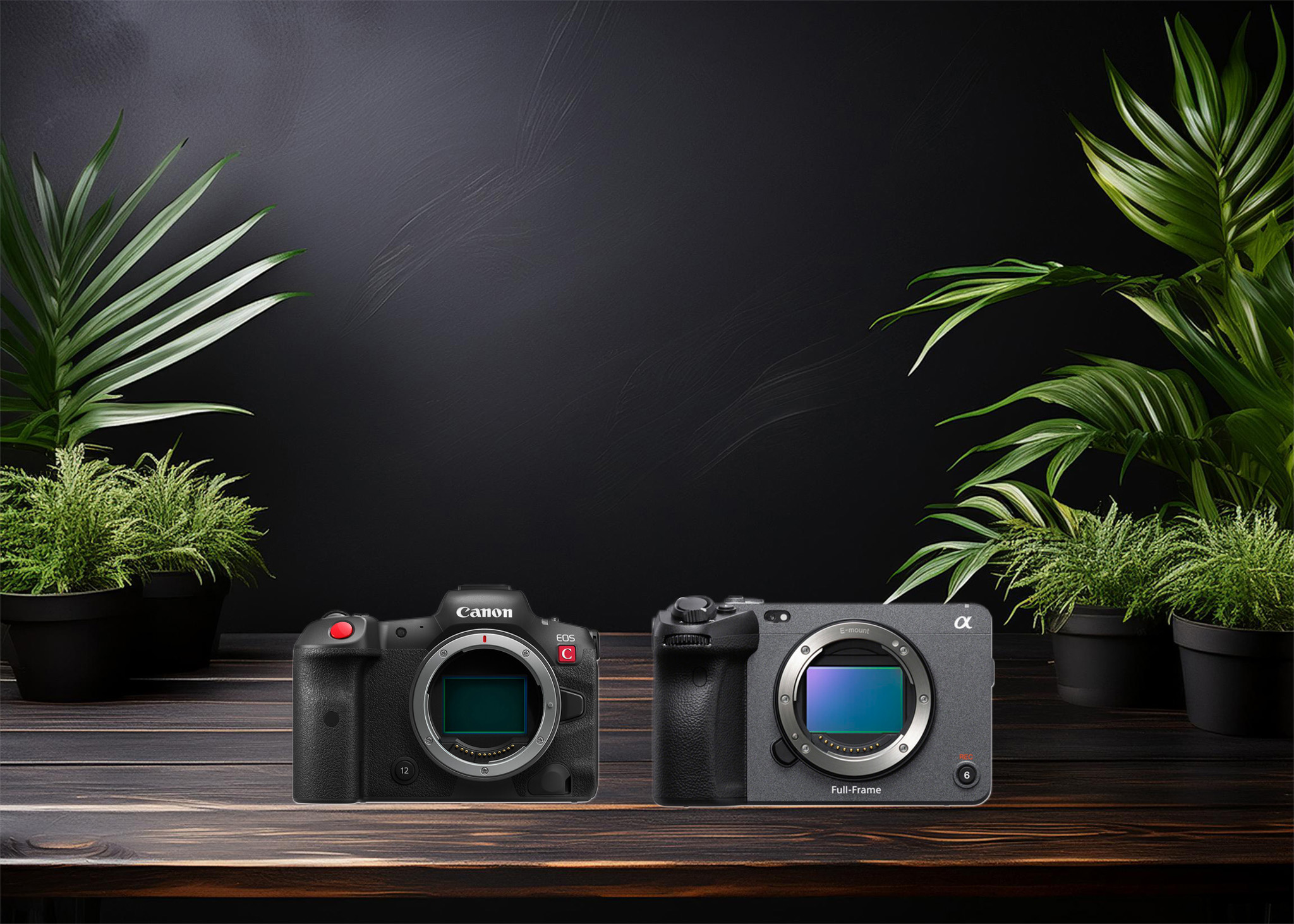
Which camera is better, Canon or Sony?

Where to Buy the Best Used Camera Gear in 2025: Trusted Sites & Smart Tips

Where can I find free VFX content for editing?

Where can I find free VFX content for editing?
Welcome to the DJMakeArt website